I'm a final-year Data Science and Machine Learning student in the Department of Computer Science at Aalborg University, building probabilistic models that find hidden structure in graphs and genomes.
Right now I'm a research intern in the Section for Distributed, Embedded and Intelligent Systems, where I build MegoBin with Thomas Dyhre Nielsen, Mads Albertsen and Abdulkadir Çelikkanat: one benchmarked framework in which any metagenomic binning method can be compared. With Abdulkadir I also research infinite stochastic block models, which infer how many communities a graph has instead of fixing the number in advance.
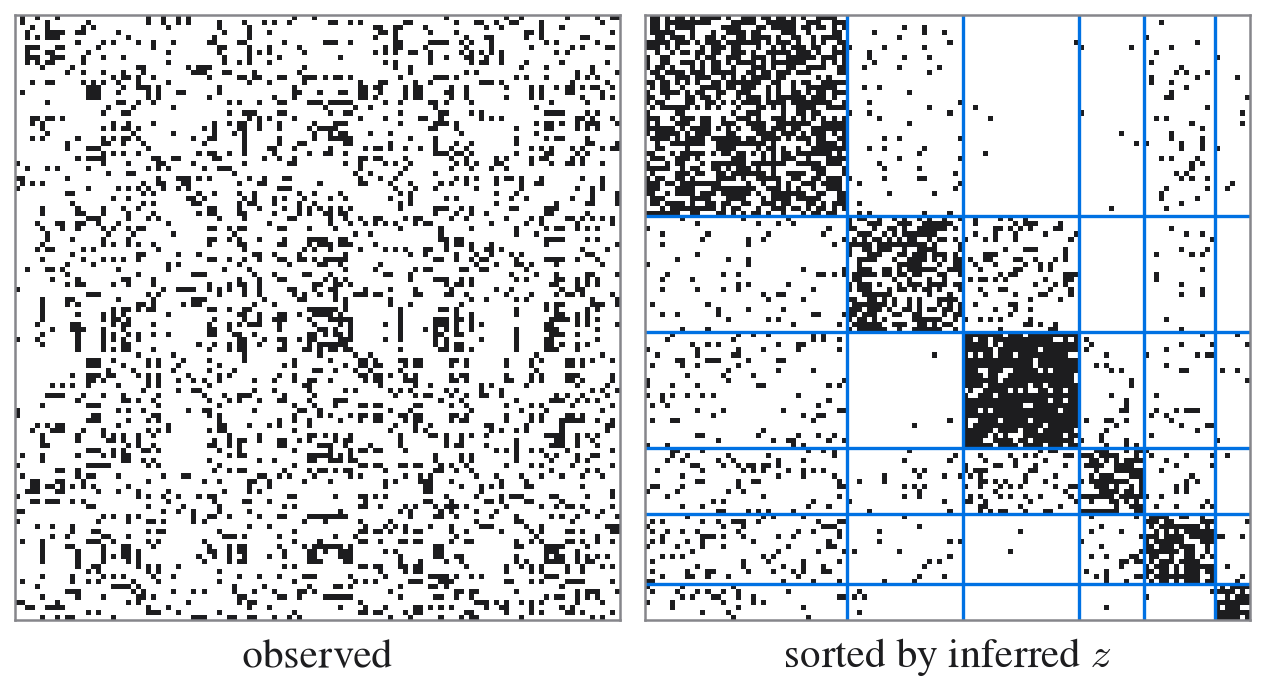
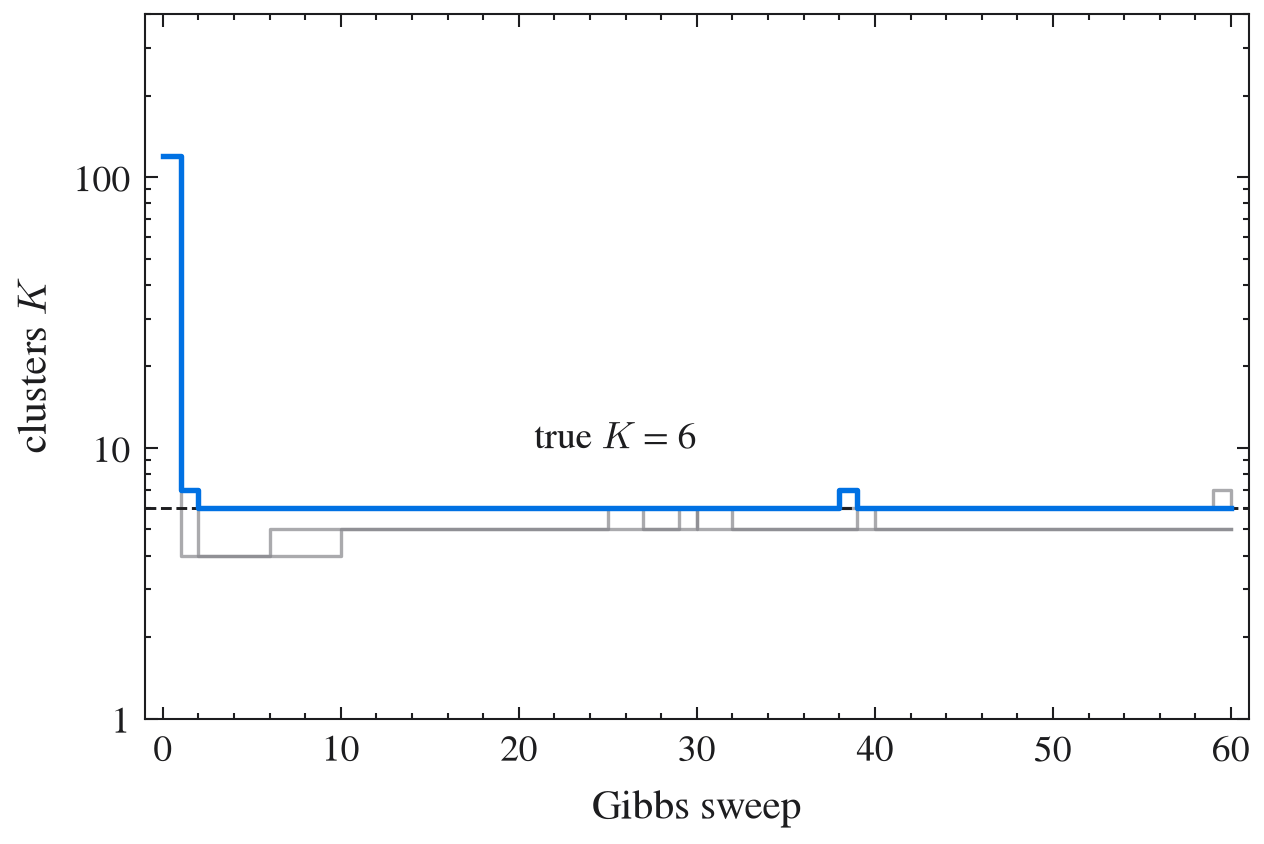
From 120 singletons to the true number of clusters in two sweeps.

With Abdulkadir Çelikkanat: inferring how many communities a graph has.

Runnable marimo notebooks following Tomczak's book.

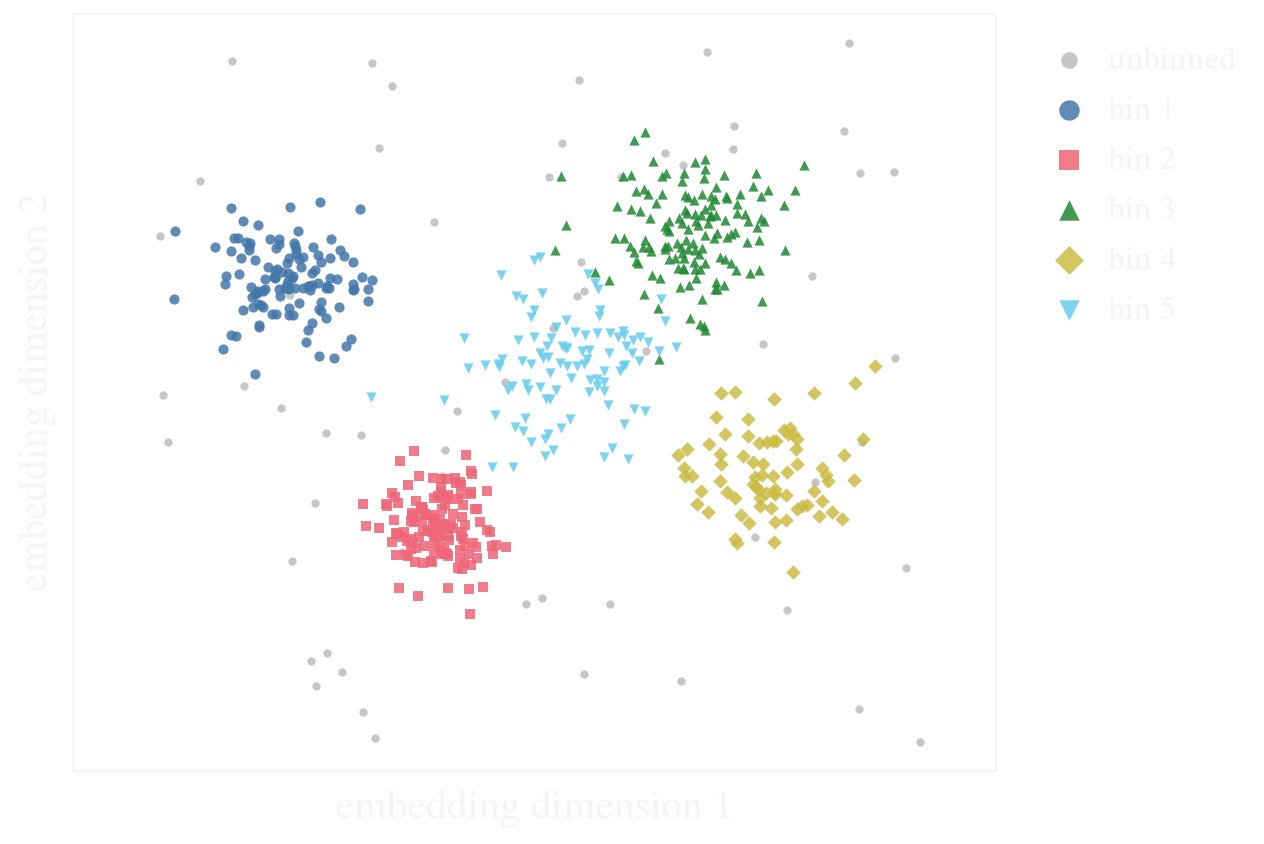
One interface for many metagenomic binners.

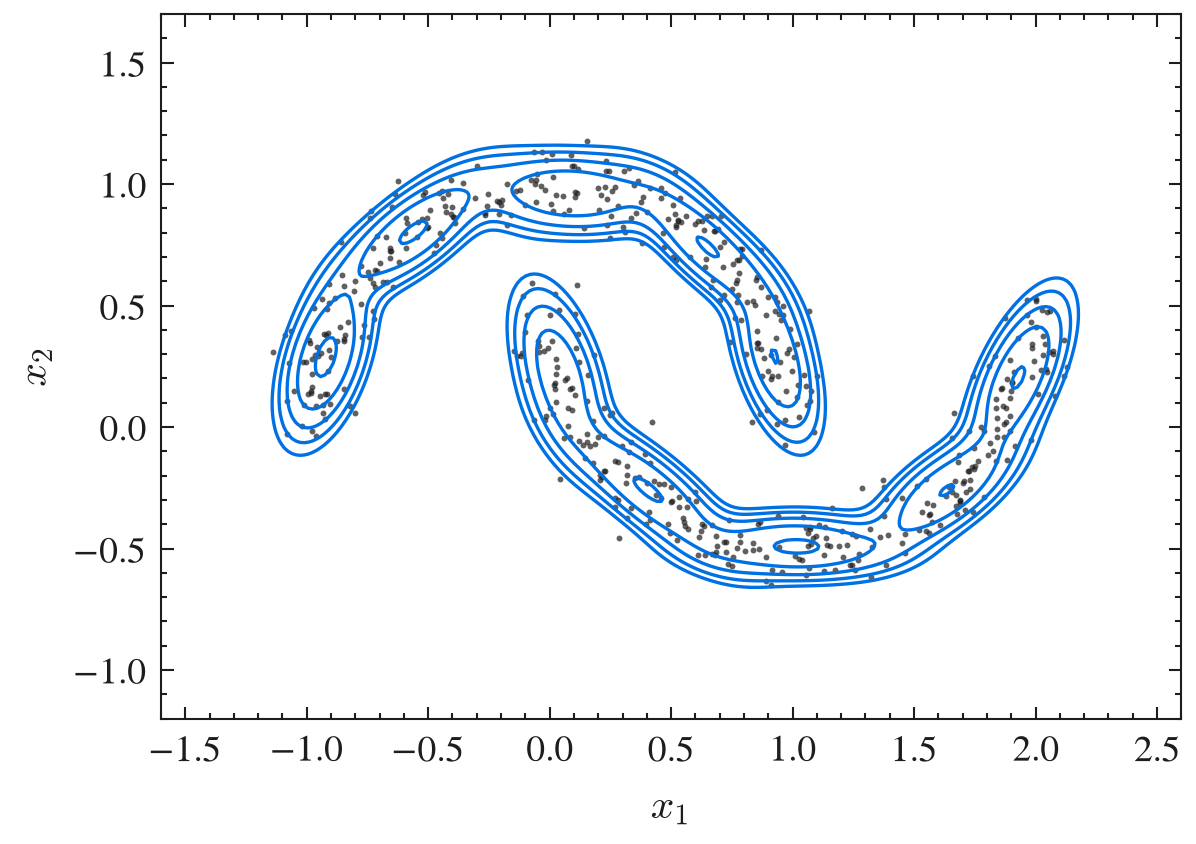
Learning distributions over graphs, from molecules to networks, and sampling new ones.
Learn more ›Stochastic block models that infer how many groups there are, not just who belongs where.
Learn more ›Grouping DNA fragments from mixed samples into genomes, and building tools that make methods comparable.
Learn more ›Agents that plan, act and coordinate, and what cells and swarms teach us about collective intelligence, including Michael Levin's Platonic space of patterns.
Learn more ›Models that obey the laws they simulate: the engine of digital twins, from industrial R&D at places like Pasteur Labs to habitats in space at the Aurelia Institute.
Learn more ›Decoding the human body, from CRISPR and AI-designed drugs at Isomorphic Labs to a digital model of the body itself: the DOHB project.
Learn more ›How many communities? Let the data decide.

Collapsed Gibbs on a synthetic IRM graph, 120 nodes, 6 clusters recovered.
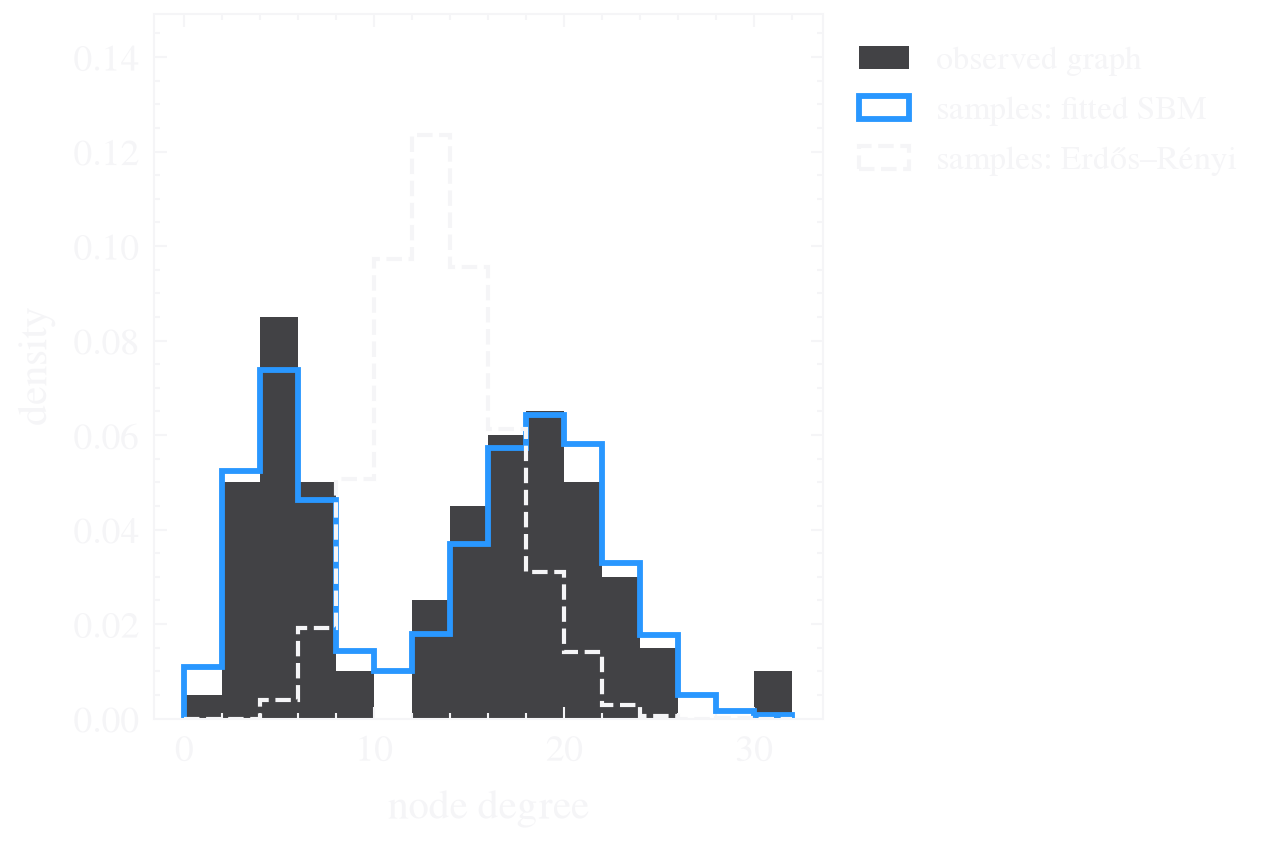
Does a sample look like the data?

Degree distribution of a two-block graph vs. samples from a fitted SBM and from Erdős–Rényi.
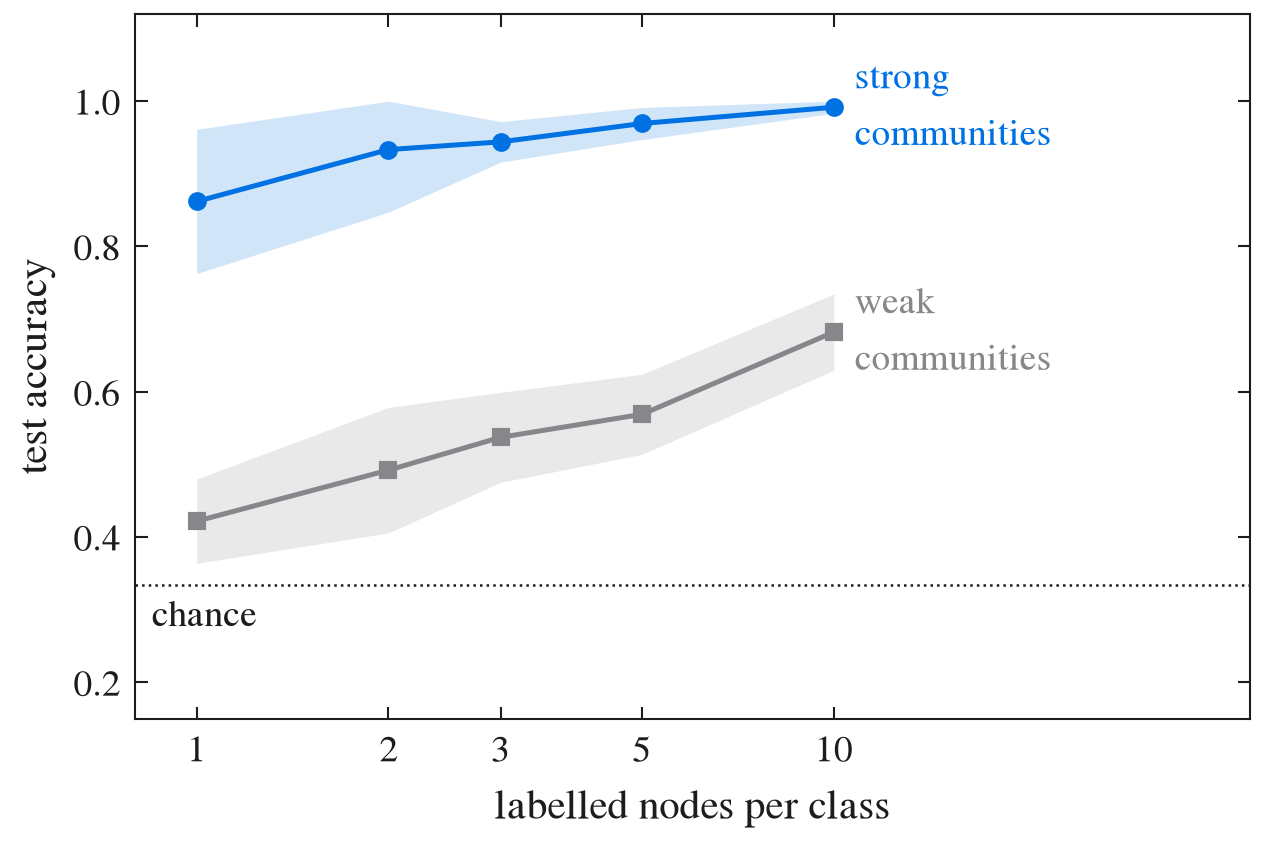
How far do a few labels go?

Label propagation on 3-block SBM graphs, 150 nodes; mean ± s.d. over 20 graphs.
Decoding the human body.
A digital, computable understanding of how the body works, from genome to organs, to improve human well-being with AI.